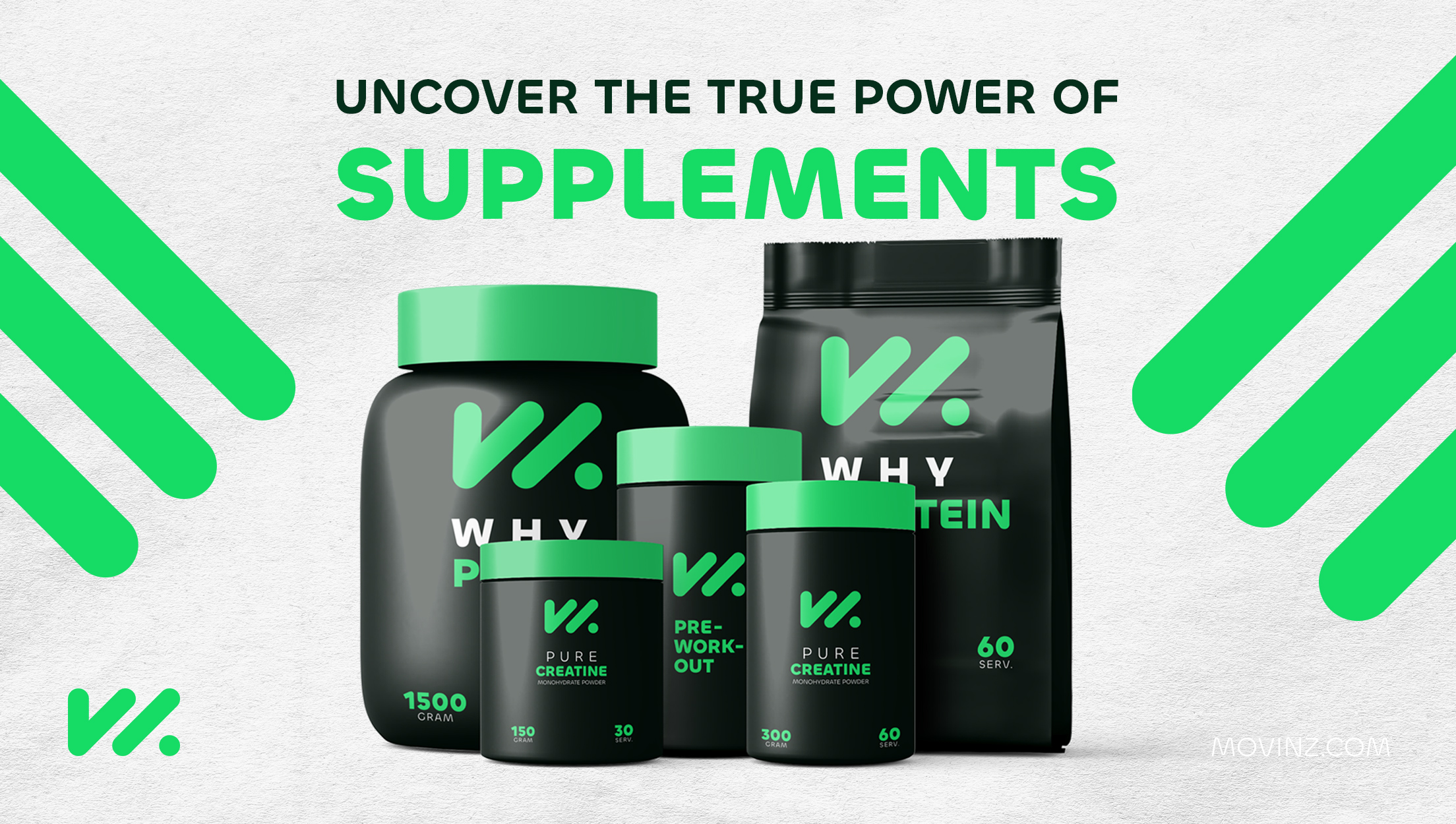
Supplements are a hot topic in the fitness community, with countless options available. But what exactly are supplements, and how do they contribute to our fitness goals?
In this article, we’ll explore the basics of supplements—what they are, their history, the process behind their creation, and most importantly, how to use them effectively for the best results.
What Are Supplements?
Supplements are the powders, capsules, or liquids that we often add to our diet to support our health and fitness. They contain essential nutrients that may be lacking in our daily food intake. These can include vitamins, minerals, amino acids, fiber, and even extracts from herbs or plants. While they shouldn’t replace meals, supplements play an important role by filling nutritional gaps and boosting various aspects of our health and fitness. Whether it’s enhancing energy for workouts, supporting muscle recovery, improving bone health, or managing arthritis, these nutrients serve as valuable allies. Next time you reach for a supplement, remember—it’s more than just a capsule or powder; it’s a vital component of your health journey.
The Origins of Supplements
The concept of supplementing our diet for better health isn’t new. The use of plants and herbs for healing can be traced back to ancient Greece and Egypt. However, the modern supplement industry, as we know it, emerged in the early 20th century following the discovery of vitamins. Since then, the supplement market has evolved into a multi-billion-dollar industry, with over 50,000 products designed to meet various fitness and wellness needs. Whether you’re a fitness enthusiast or just looking for extra nutritional support, there’s a supplement to suit your needs.
How Supplements Are Made
Herbal supplements undergo various processes, such as extraction and purification, to extract beneficial ingredients from plants. Fitness supplements like proteins, creatine, glutamine, and vitamins follow distinct manufacturing procedures to ensure effectiveness. For instance, proteins are often derived from milk using microfiltration, while creatine is chemically synthesized in labs for purity. Vitamins are blended and encapsulated for accurate dosages, while amino acids are fermented and purified to produce high-quality supplements. These processes are tightly regulated to ensure product safety and quality, ensuring you get the best out of your supplements.
Different Types of Supplements
Supplements come in various forms, each with a specific purpose:
- General Health Supplements: These include vitamins, minerals, and enzymes designed to fill nutritional gaps and promote overall wellness.
- Bodybuilding Supplements: Protein powders, creatine, and BCAAs support muscle growth, increase energy, and aid recovery, making them ideal for fitness enthusiasts.
- Weight Loss Supplements: Fat burners and appetite suppressants help support your weight loss journey.
- Herbal Supplements: These natural supplements use plant extracts to offer medicinal benefits, from boosting immunity to improving digestion.
Each type of supplement has its own unique benefits, so the key is to choose the ones that align with your specific health and fitness goals. It’s not about using every supplement, but finding the right ones for your needs.
Supplement Bundles
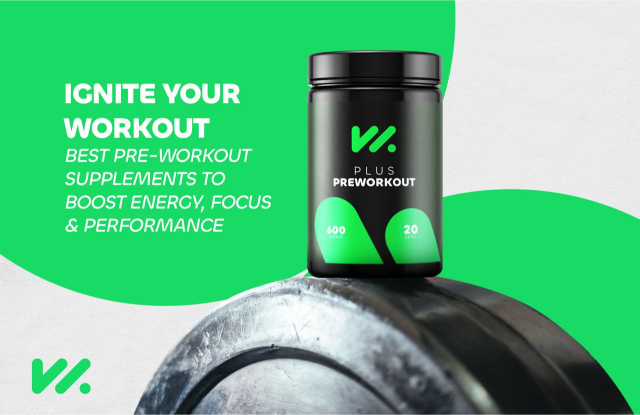
Imagine combining the powers of several supplements into one. That’s what supplement bundles do—they group compatible supplements together to optimize performance and recovery. For instance, a pre-workout bundle might combine creatine, beta-alanine, and caffeine to boost energy and endurance. Post-workout bundles, on the other hand, often include protein and amino acids to support muscle repair and growth. The strength of bundles lies in their synergy, allowing each supplement to enhance the others’ effects. However, it’s important to consult a professional before using bundles to ensure they are tailored to your needs and safe for you.
How to Use Supplements Effectively
Using supplements correctly is key to unlocking their full potential. First and foremost, always follow the recommended dosage provided on the packaging. Many believe that more is better, but this can lead to harmful side effects. Timing is also crucial—some supplements work best when taken with meals, while others are more effective when consumed pre- or post-workout. Be sure to read the instructions carefully or seek professional advice to optimize your regimen.
Supplements should complement your overall diet and fitness routine, not replace them. They are designed to fill gaps and enhance your efforts. And remember, patience is essential. Supplements aren’t quick fixes; their benefits unfold over time, so stay consistent and you’ll eventually see the results.
Supplements are there to support you on your fitness journey—whether it’s breaking through plateaus, fueling your workouts, or accelerating recovery. Embrace the process, and enjoy the benefits they bring to your health and fitness routine.