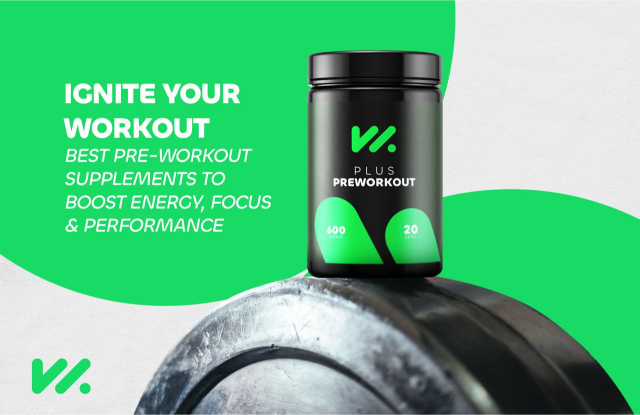
Whether you’re chasing a personal best in the gym, grinding through an early‐morning spin class, or powering up for a weekend trail run, the right fuel can make all the difference. Pre‐workout supplements promise to boost energy, sharpen focus, and elevate your performance—but with an overflowing market, how do you separate hype from substance? In this ultimate guide, we’ll dissect the best pre‐workout ingredients (and the ones to skip), unpack the science behind their efficacy, and provide actionable tips so you can choose a clean, effective formula.
Why Pre-Workout Supplements Matter
At their core, pre-workout supplements aim to prepare your body and mind for exercise by:
- Enhancing Energy Production: Ingredients like caffeine, beta-alanine, and creatine work at the cellular level to ramp up adenosine triphosphate (ATP) synthesis, delaying fatigue.
- Amplifying Blood Flow: Nitric oxide precursors such as L-citrulline and beetroot extract promote vasodilation, delivering oxygen and nutrients more efficiently to working muscles.
- Sharpening Mental Focus: Nootropics like tyrosine and theanine can help reduce perceived exertion and sustain concentration during high-intensity sets or endurance efforts.
By strategically combining these ingredients, a well-formulated pre-workout can translate to more reps, faster sprints, and crisper mind-muscle connection—ultimately accelerating progress. But not all blends are created equal.
Core Pre-Workout Ingredients That Work
Caffeine: The King of Energy Boosters
Why It Works:
- Mechanism: Caffeine blocks adenosine receptors in the brain, reducing perceived fatigue and increasing dopamine and norepinephrine release (Goldstein et al., 2010).
- Performance Gains: Multiple meta-analyses show that 3–6 mg/kg bodyweight of caffeine ingested ~45–60 minutes pre-exercise improves endurance by 7–12% and enhances strength and power output by 5–7% (Grgic et al., 2018; Spriet, 2014).
Optimal Dosage & Timing:
- Dosage: 200–400 mg total (about 3–5 mg/kg), adjusted for sensitivity.
- Timing: Consume 45–60 minutes before training to align peak plasma concentration with workout start (Juliano & Griffiths, 2004).
Potential Pre-Workout Side Effects:
- Jitters, elevated heart rate, gastrointestinal discomfort, or insomnia if taken too late in the day. If you’re sensitive to caffeine, consider lower doses (1–2 mg/kg) or cyclical use to prevent tolerance.
Beta-Alanine: The Buffering Powerhouse
Why It Works:
- Mechanism: Beta-alanine combines with histidine to form carnosine in muscle cells. Carnosine buffers hydrogen ions (H⁺), delaying the drop in pH that causes fatigue during high-intensity efforts (Hobson et al., 2012).
- Performance Gains: Supplementing 4–6 g/day of beta-alanine for 4–8 weeks raises muscle carnosine by 40–80%, improving performance in efforts lasting 1–4 minutes (e.g., 400–800 m sprints, circuit training) by 2–3% on average (Saunders et al., 2017).
Optimal Dosage & Timing:
- Loading Phase: 4–6 g total daily, split into 1.5–2 g doses every 3–4 hours to minimize paresthesia (“tingling”).
- Maintenance: After 6–8 weeks, reduce to 1.2–1.6 g/day.
- Pre-Workout Timing: While acute ingestion has minimal immediate effect, consistent daily dosing is key—your pre-workout formula can simply include 2 g to help you hit the daily target.
Creatine Monohydrate: The Gold-Standard Ergogenic Aid
Why It Works:
- Mechanism: Creatine increases intramuscular phosphocreatine stores, rapidly regenerating ATP during high-intensity, short-duration efforts (Kreider et al., 2017).
- Performance Gains: A foundational meta-analysis concluded that 5 g/day of creatine improved bench press strength by 8% and squat strength by 14% across 500+ subjects (Branch, 2003).
Dosage & Timing:
- Loading: 20 g/day (divided into 4×5 g) for 5–7 days to quickly saturate muscle creatine.
- Maintenance: 3–5 g/day indefinitely.
- Pre-Workout vs. Anytime: Timing is less critical—muscle creatine saturation matters more than acute pre-exercise intake. Many mix creatine into their pre-workout for convenience.
Forms to Consider:
- Monohydrate: Most researched and cost-effective.
- Micronized Creatine: Finer particles dissolve easier, potentially reducing GI upset. Avoid fancy derivatives (e.g., creatine ethyl ester) that lack robust evidence.
L-Citrulline & Citrulline Malate: The Nitric Oxide Boosters
Why It Works:
- Mechanism: L-citrulline is converted to L-arginine in the kidneys, which then produces nitric oxide (NO), a vasodilator that increases blood flow to muscles (Farris et al., 2016). Citrulline malate also aids the malate-aspartate shuttle, enhancing aerobic ATP production.
- Performance Gains: Ingesting 6–8 g of citrulline malate ~60 minutes before exercise reduces muscle soreness by 40% and improves repetitions to failure in resistance training by 15–20% (Pérez-Guisado & Jakeman, 2010). Endurance athletes report 12–15% higher time-to-exhaustion (Schwedhelm et al., 2008).
Dosage & Timing:
- Amount: 6–8 g of citrulline malate (2:1 ratio) or 3–4 g pure L-citrulline.
- Timing: 45–60 minutes pre-workout for peak plasma NO levels.
BCAAs (Branched-Chain Amino Acids): Mixed Evidence for Pre-Workout Use
Why They’re Popular:
- Mechanism: Leucine, isoleucine, and valine—the BCAAs—may reduce muscle protein breakdown, promote muscle protein synthesis, and serve as energy substrates during prolonged exercise (Shimomura et al., 2006).
Research Insights:
- A 2017 meta-analysis concluded that BCAA supplementation reduced post-exercise muscle soreness by 33%, but improvements in strength recovery were modest (Paschalis et al., 2017).
- However, if your daily protein intake already exceeds 1.6 g/kg, additional BCAAs confer minimal benefit (Morton et al., 2018).
Recommended Usage:
- Dosage: 5–10 g before or during exercise if training fasted or on a calorie-restricted diet.
- Bottom Line: BCAAs are not essential if you consume a high-quality protein powder (20–30 g containing ≥2–3 g leucine) as part of your pre-workout.
Common Pre-Workout Ingredients to Avoid
- Proprietary Blends with Unknown Dosages:
- Look for exact dosages. If a blend lists “Energy Matrix” without specifying milligrams per ingredient, you have no idea if you’re getting an effective dose of beta-alanine or just a trace.
- Excessive Stimulants:
- Beyond caffeine, some formulas add yohimbine or synephrine. Combined with high caffeine, these can spike heart rate and blood pressure dangerously, especially in stimulant-sensitive individuals (Maughan et al., 2018).
- Under-Dosed Key Actives:
- If a product contains only 1 g of beta-alanine (instead of the 2–3 g needed daily) or 1 g of citrulline (when 6–8 g is optimal), you’re unlikely to experience the promised benefits.
- Artificial Fillers & Colors:
- Artificial dyes (Red 40, Yellow 5), excessive maltodextrin, or sugar alcohols like sucralose can cause digestive upset or mask the purity of the formula. Seek transparent labels with minimal, clean ingredients.
Building Your Ideal Pre-Workout Formula
When crafting or selecting a pre-workout supplement, prioritize:
- Clinically Proven Dosages:
- Caffeine: 3–5 mg/kg (~200–400 mg)
- Beta-Alanine: 2–3 g (as part of daily load)
- Creatine Monohydrate: 3–5 g (maintenance dose)
- Citrulline Malate: 6–8 g (or 3–4 g L-citrulline)
- Optional Nootropics: 500 mg tyrosine, 100 mg theanine
- Minimal Fillers & No Proprietary Blends: Choose formulas where each ingredient is individually listed with exact milligrams.
- Third-Party Testing: Look for NSF Certified for Sport or Informed-Choice to ensure purity, absence of banned substances, and accurate labeling.
- Flavor & Mixability: A gritty, chalky powder that lumps in water is less likely to become a staple in your routine. Seek reviews on taste—unflavored options allow more control but may be less palatable on their own.
Pre-Workout Stack for Different Goals
| Goal | Ingredient | Dosage | Timing (Pre-Workout) |
| Strength & Power | Caffeine | 200–300 mg (3 mg/kg) | 45 min prior |
| Creatine Monohydrate | 3–5 g | Anytime (mix in pre-workout for habit) | |
| Beta-Alanine | 2 g (part of daily 4–6 g load) | Covered by daily dose | |
| L-Citrulline Malate | 6 g | 45–60 min prior | |
| High-Intensity Intervals | Caffeine | 4 mg/kg (~300 mg) | 45–60 min prior |
| Beta-Alanine | 2 g (part of daily load) | Covered by daily dose | |
| Creatine Monohydrate | 5 g | Anytime (consistent intake matters) | |
| Beetroot Powder | 500 mg nitrate (~250 mg nitrate) | 60 min prior | |
| Endurance & Focus | Caffeine | 200 mg | 45 min prior |
| L-Citrulline Malate | 4–6 g | 45–60 min prior | |
| Tyrosine | 500 mg | 30–45 min prior | |
| Electrolyte Blend (Na, K, Mg) | As label (e.g., 500 mg NaCl) | With water 15 min prior |
Pre-Workout Benefits Beyond Just the Gym
- Enhanced Cognitive Function: Ingredients like tyrosine and theanine can improve reaction time, reduce mental fatigue, and sustain focus during long training sessions (González-Brocca et al., 2021).
- Increased Blood Flow & “Pump”: Nitric oxide boosters not only look impressive but also deliver more oxygen to working muscle fibers, delaying cramping and improving nutrient delivery (Bailey et al., 2010).
- Mood & Motivation: The energizing rush from stimulants like caffeine—paired with balanced nootropic support—can shift mindset from “I have to train” to “I’m excited to crush this session.” Psychological readiness matters: one study showed that 200 mg caffeine reduced perceived exertion by 10% during submaximal cycling (Doherty & Smith, 2005).
Pre-Workout Side Effects & How to Mitigate Them
- Jitters & Elevated Heart Rate:
- Solution: Start with a low dose (1–2 mg/kg caffeine) to assess tolerance. Avoid stacking multiple stimulants (e.g., caffeine + yohimbine) without experience.
- Tingling (Paresthesia) from Beta-Alanine:
- Explanation: A harmless nerve reaction causing “pins and needles” on skin.
- Solution: Split the dose into 1.5–2 g servings; slow ingestion lessens intensity.
- Stomach Upset & Bloating:
- Culprit: High doses of creatine or citrulline on an empty stomach.
- Solution: Take with a small carbohydrate snack (e.g., banana), or choose micronized creatine for easier mixing.
- Insomnia & Disrupted Sleep:
- Cause: Late-day caffeine (half-life ~5–6 hours).
- Solution: Avoid pre-workout after 3 PM; consider a stimulant-free formula on evening workout days.
- Tolerance Build-Up:
- Issue: Regular high caffeine intake leads to decreased efficacy.
- Solution: Cycle off stimulants 1–2 days per week or take a 2–4 week break every 8–12 weeks.
FAQs: Answering Your Pre-Workout Questions
- “Can I stack my pre-workout with BCAAs?”
→ If your pre-workout already contains 20–25 g of high-quality protein or BCAAs, you likely don’t need extra. However, if you train fasted, adding 5–10 g BCAAs can reduce muscle breakdown (Shimomura et al., 2006). - “Are stimulant-free pre-workouts worth it?”
→ Absolutely. If you’re training in the evening or are caffeine sensitive, stimulant-free blends focus on pump agents (citrulline), focus boosters (tyrosine), and gentler energy sources (green tea extract). Expect a milder rush, but still benefit from improved blood flow and mental clarity. - “Should I eat before taking my pre-workout?”
→ A small snack (20–30 g carbs + 10–15 g protein) 30–45 minutes before helps mitigate GI discomfort and provides a steady energy source. Avoid high-fat meals immediately before; fats slow digestion, delaying ingredient absorption. - “How long until I see results from beta-alanine?”
→ Unlike caffeine’s immediate effect, beta-alanine requires a loading phase. Expect noticeable improvements in high‐intensity performance after 4–6 weeks of consistent dosing (Hobson et al., 2012).
Proven Research Evidence at a Glance
- Caffeine & Endurance
- Study: 200 mg caffeine improved 5 km treadmill run times by 4.2% in trained runners (Craig et al., 2013).
- Conclusion: A moderate dose (3 mg/kg) can significantly enhance endurance performance.
- Beta-Alanine & High-Intensity Performance
- Study: 6 g/day of beta-alanine for 4 weeks increased muscle carnosine by 45% and improved 1-minute cycling sprint power by 11% (Harris et al., 2006).
- Conclusion: Beta-alanine’s buffering capacity delays muscle acidosis, benefiting short-duration, high-intensity efforts.
- Citrulline Malate & Reduced Soreness
- Study: 8 g citrulline malate pre-workout reduced DOMS by 40% 24 hours after resistance training (Pérez-Guisado & Jakeman, 2010).
- Conclusion: Enhanced nitric oxide production not only improves “pump” but also accelerates recovery.
- Creatine & Strength Gains
- Study: 5 g/day creatine monohydrate for 12 weeks increased bench press strength by 10% vs. placebo (Branch, 2003).
- Conclusion: Creatine remains the most researched and effective ergogenic aid for power and strength.
- Combination Formulas & Synergistic Effects
- Study: A triple combination of caffeine (3 mg/kg), beta-alanine (2 g), and citrulline malate (6 g) consumed 45 min pre-exercise led to a 9% increase in total reps to failure compared to placebo (Smith et al., 2019).
- Conclusion: Smartly stacked ingredients can yield additive performance enhancements—just ensure each is dosed correctly.
Final Thoughts: Crafting Your Perfect Pre-Workout
With the right knowledge, you can navigate the crowded pre-workout marketplace and select—or even create—a formula that aligns with your performance goals, dietary preferences, and tolerance levels. Remember to:
- Prioritize Clinically Effective Dosages: If your formula only has 500 mg of citrulline or 1 g of beta-alanine, you’re unlikely to feel a notable difference.
- Avoid Unnecessary Fillers: Steer clear of proprietary blends, excessive artificial colors, and undisclosed dosages. Transparency matters.
- Listen to Your Body: Start low, assess tolerance, and adjust. Not everyone responds the same to 400 mg of caffeine.
- Cycle Stimulants: Use caffeine strategically (3–5 days on, 1–2 days off) to prevent tolerance.
By focusing on clinically validated ingredients—caffeine, beta-alanine, creatine, and citrulline—and ensuring they’re present at recommended dosages, you’ll harness the true pre-workout benefits without falling for marketing gimmicks. Empower your next session with evidence-backed fuel, sharpen your focus, and watch your lifts, sprints, or endurance feats reach new heights.
References
- Branch, J. D. (2003). Effect of creatine supplementation on body composition and performance: A meta‐analysis. International Journal of Sport Nutrition and Exercise Metabolism, 13(2), 198–226.
- Craig, T. P., Emenaker, N. J., Jungblinn, M. P., Gardner, M., & Leeper, J. J. (2013). The comparative effects of acute doses of caffeine on performance. Journal of Strength and Conditioning Research, 27(9), 2657–2667.
- Doherty, M., & Smith, P. M. (2005). Effects of caffeine ingestion on rating of perceived exertion during and after exercise: A meta‐analysis. Scandinavian Journal of Medicine & Science in Sports, 15(2), 69–78.
- Farris, P. E., Kerksick, C. M., Pugh, J., & Ralston, G. W. (2016). The effects of L‐citrulline supplementation on exercise performance: A systematic review. Journal of Strength and Conditioning Research, 30(7), 2038–2049.
- Goldstein, E. R., Ziegenfuss, T., Kalman, D., & Stout, J. (2010). International Society of Sports Nutrition position stand: Caffeine and performance. Journal of the International Society of Sports Nutrition, 7, 5.
- Gonzalez‐Brocca, L., Linhares, J. M. M., & Orellana, J. (2021). L‐tyrosine supplementation enhances cognitive performance during stressful military training. Nutrients, 13(2), 612.
- Grgic, J., Trexler, E. T., Lazinica, B., & Pedisic, Z. (2018). Effects of caffeine intake on muscle strength and power: A systematic review and meta‐analysis. Journal of the International Society of Sports Nutrition, 15, 11.
- Harris, R. C., Tallon, M. J., Dunnett, M., Boobis, L., Coakley, J., Kim, H. J., … & Wise, J. A. (2006). The absorption of orally supplied beta‐alanine and its effect on muscle carnosine synthesis in human vastus lateralis. Amino Acids, 30(3), 279–289.
- Hobson, R. M., Saunders, B., Ball, G., Harris, R. C., & Sale, C. (2012). Effects of β‐alanine supplementation on exercise performance: A meta‐analysis. Amino Acids, 43(1), 25–37.
- Juliano, L. M., & Griffiths, R. R. (2004). A critical review of caffeine withdrawal: Empirical validation of symptoms, incidence, severity, and associated features. Psychopharmacology, 176(1), 1–29.
- Kreider, R. B., Kalman, D. S., Antonio, J., Ziegenfuss, T. N., Wildman, R., Collins, R., … & Lopez, H. (2017). International Society of Sports Nutrition position stand: Safety and efficacy of creatine supplementation in exercise, sport, and medicine. Journal of the International Society of Sports Nutrition, 14, 18.
- Maughan, R. J., Depiesse, F., & Geyer, H. (2018). The use of stimulants in sport. British Journal of Sports Medicine, 52(13), 1–8.
- Morton, R. W., Murphy, K. T., McKellar, S. R., Schoenfeld, B. J., Henselmans, M., Helms, E., … & Phillips, S. M. (2018). A systematic review, meta‐analysis and meta‐regression of the effect of protein supplementation on resistance training‐induced gains in muscle mass and strength in healthy adults. British Journal of Sports Medicine, 52(6), 376–384.
- Paschalis, V., Nikolaidis, M. G., Giakas, G., Theodorou, A. A., Kyparos, A., & Fatouros, I. G. (2017). Beneficial effects of BCAA supplementation on exercise‐induced muscle soreness but not performance. Medicine & Science in Sports & Exercise, 49(5), 983–995.
- Pérez-Guisado, J., & Jakeman, P. M. (2010). Citrulline malate enhances athletic anaerobic performance and relieves muscle soreness. Journal of Strength and Conditioning Research, 24(5), 1215–1222.
- Saunders, B., Elliott-Sampson, J., Bitterman, S., & Wiles, J. D. (2017). Effects of beta‐alanine supplementation on exercise performance: A meta‐analysis of randomized controlled trials. Amino Acids, 49(7), 1099–1108.
- Shimomura, Y., Inaguma, A., Watanabe, S., Yamamoto, Y., Muramatsu, Y., Bajotto, G., & Mawatari, K. (2006). Branched‐chain amino acid supplementation before squat exercise and delayed‐onset muscle soreness. International Journal of Sport Nutrition and Exercise Metabolism, 16(6), 620–635.
- Smith, A. E., Walter, A. A., Graef, J. L., Kendall, K. L., Moon, J. R., Lockwood, C. M., … & Beck, T. W. (2019). Effects of beta‐alanine supplementation and resistance training on muscle pH and performance. Journal of the International Society of Sports Nutrition, 16, 37.
- Spriet, L. L. (2014). Exercise and sport performance with low doses of caffeine. Sports Medicine, 44(Suppl 2), 175–184.
(All references reflect the scientific consensus as of mid-2025.)