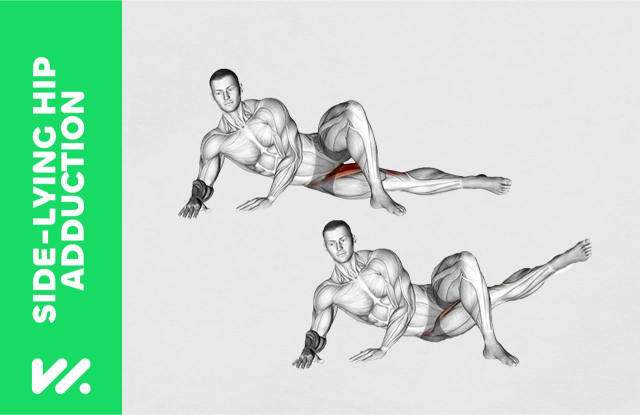
Exercise Profile
Target Muscle Group:
Primary: Gluteus Medius, Gluteus Minimus (Hip Abductors)
Secondary: Tensor Fasciae Latae (TFL), Obliques (for stabilization)
Exercise Type:
Bodyweight Training / Strengthening
Isolation (Single-Joint Exercise)
Equipment Required:
Exercise mat (optional for comfort)
Mechanics:
Isolation (Single-Joint Exercise)
Force Type:
Push (Concentric & Eccentric Phases)
Experience Level:
Beginner to Intermediate
Best For:
Glute Activation, Hip Strength, Injury Rehab, Home Workouts, Core Stability
Common Risks:
Hip or lower back strain from over-arching, lack of core engagement, or poor alignment
Overview
The Side-Lying Hip Abduction is a simple yet powerful bodyweight movement that targets the gluteus medius and hip stabilizers. It’s ideal for beginners, those recovering from injury, or anyone looking to improve hip mobility, glute strength, and lower body function without the need for gym equipment. This exercise enhances pelvic stability, supports better posture, and builds the foundational strength needed for more advanced lower body exercises.
Exercise Instructions
Step-by-Step Form:
Setup:
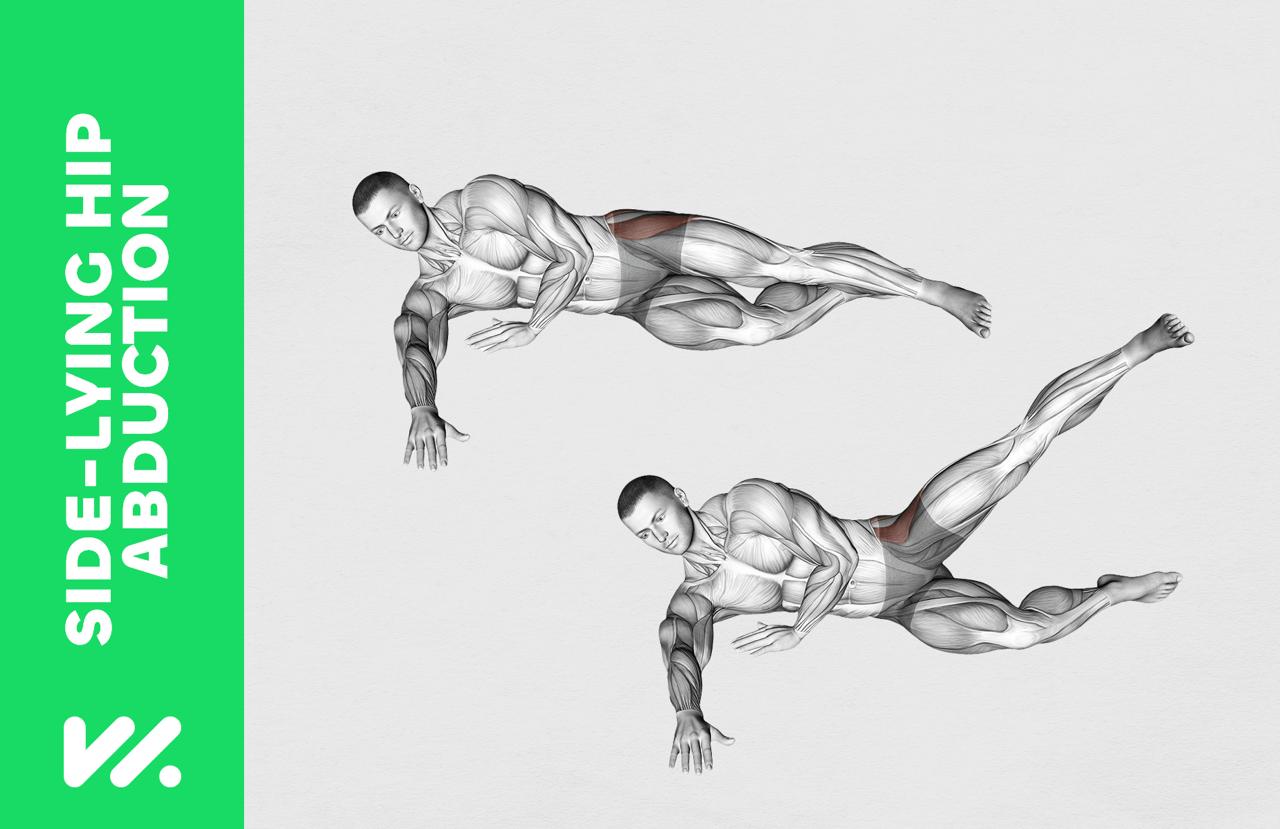
Lie on your side with legs extended straight, stacked on top of each other.
Support your head with your arm or a pillow, and place your top hand on the floor in front of you for stability.
Starting Position:
Engage your core and keep your hips stacked directly on top of each other.
Flex your toes toward your shin and brace your body.
Abduction Phase:
Exhale as you slowly lift your top leg upward, keeping it straight and in line with your body.
Focus on using the outer glute and hip muscles to raise the leg.
Peak Contraction:
Pause at the top of the lift and squeeze your glutes.
Avoid rolling your hips back—stay aligned.
Returning Phase:
Inhale and lower the leg with control to the starting position, keeping tension in the glutes.
Repetitions:
Perform 2–4 sets of 12–20 reps per side.
Add ankle weights or resistance bands for added intensity.
Professional Tips
Maximize Results:
- Keep your body in a straight line—avoid leaning backward.
- Control the tempo—slow and steady improves muscle activation.
- Focus on squeezing the glute medius at the top of the movement.
Avoid Common Mistakes:
- Don’t swing the leg or use momentum.
- Avoid lifting too high, which may shift the effort to your lower back or TFL.
- Don’t let your hips tilt back—stack them evenly for better targeting.
Progression:
- Add resistance bands just above the knees or around the ankles.
- Try paused reps at the top to increase time under tension.
- Progress to standing or cable hip abduction for more challenge.
Benefits of the Side-Lying Hip Abduction
- Glute Activation & Strength: Fires up the gluteus medius, essential for hip strength and function.
- Improved Hip Stability: Enhances balance and reduces injury risk by strengthening smaller stabilizing muscles.
- Injury Rehab & Prehab: Ideal for those recovering from knee, hip, or lower back pain.
- Home Workout Friendly: Requires no equipment—perfect for travel, rehab, or minimalist routines.
- Supports Athletic Movement: Builds foundational strength for squats, lunges, and lateral movements.
Variations & Alternatives
- Banded Side-Lying Hip Abduction: Adds resistance for increased glute engagement.
- Standing Hip Abduction: Performed standing for improved balance and coordination.
- Clamshell Exercise: Targets similar muscles with bent knees for variety.
- Cable Hip Abduction: Uses a cable machine to increase resistance and range of motion.
Incorporate the Side-Lying Hip Abduction
Add this exercise to warm-ups, mobility circuits, or glute-focused training days to activate and strengthen your hip abductors. It’s especially useful as part of injury prevention, posture improvement, or lower body toning plans. Pair it with bridges, clamshells, and leg lifts for a full glute activation circuit.
“Side-lying hip abductions are a staple for glute development, injury prevention, and maintaining proper movement mechanics. Every level of athlete can benefit from this underrated move.”
— National Academy of Sports Medicine (NASM)