Exercise Profile
Target Muscle Group:
- Primary: Hip Adductors (Adductor Longus, Adductor Brevis, Adductor Magnus)
- Secondary: Gracilis, Pectineus, Core Stabilizers
Exercise Type:
- Strength Training / Rehabilitation
Equipment Required:
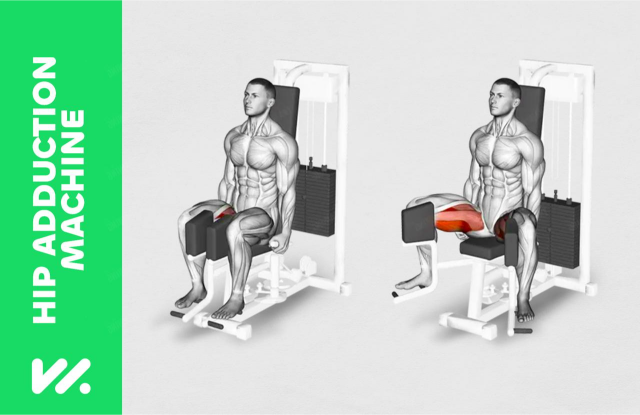
- Hip Adduction Machine
Mechanics:
- Isolation (Single-Joint Exercise – Hip Adduction)
Force Type:
- Pull (Concentric & Eccentric Phases)
Experience Level:
- All Levels (Beginner to Advanced)
Best For:
- Inner Thigh Strength, Hip Stability, Injury Prevention
Common Risks:
- Groin Strain (if resistance is excessive or range of motion is forced)
Overview
The Hip Adduction Machine is a specialized tool for targeting the often-neglected inner thigh muscles (adductors), which are critical for balance, mobility, and explosive lateral movements. By strengthening these muscles, you improve functional performance in activities like sprinting, skating, and cutting sports (e.g., soccer, tennis) while reducing the risk of groin injuries. Ideal for athletes, rehab patients, and fitness enthusiasts, this machine complements the hip abduction exercise to ensure balanced lower-body development.
Exercise Instructions
Step-by-Step Form:
- Setup:
- Adjust the machine’s thigh pads to fit snugly against your inner thighs.
- Sit upright with your back against the pad, feet flat on the footrests, and knees bent at 90°.
- Engage your core and hold the handles for stability.
- Closing Phase:
- Press your thighs inward against the pads, bringing your legs together until they touch (or reach your flexibility limit).
- Squeeze your inner thighs at the end range.
- Peak Contraction:
- Hold the closed position for 1–2 seconds.
- Opening Phase:
- Slowly return to the starting position, resisting the machine’s outward pull.
- Repetitions:
- Perform 3–4 sets of 15–25 reps (higher reps recommended for endurance and muscle activation).
Professional Tips
Maximize Results:
- Mind-Muscle Connection: Focus on “squeezing a ball” between your knees to engage adductors.
- Tempo: Use a 2-second squeeze, 1-second hold, and 3-second return.
- Posture: Keep your torso upright—avoid leaning forward or slouching.
Avoid Common Mistakes:
- Overarching the Back: Maintain a neutral spine to protect your lower back.
- Using Momentum: Move slowly and avoid jerking the weight.
- Forced Range of Motion: Stop if you feel sharp pain in the groin or hips.
Progression:
- Gradually increase resistance (1–2 weight increments weekly).
- Advanced users can add isometric holds at peak contraction for 5–10 seconds.
Benefits of the Hip Adduction Machine
- Injury Prevention: Strengthens adductors to reduce groin strains and hip imbalances.
- Athletic Performance: Improves agility, cutting speed, and power in sports.
- Functional Fitness: Enhances daily movements like climbing stairs or side-stepping.
Variations & Alternatives
- Seated Adduction with Stability Ball: Squeeze a ball between your knees while seated.
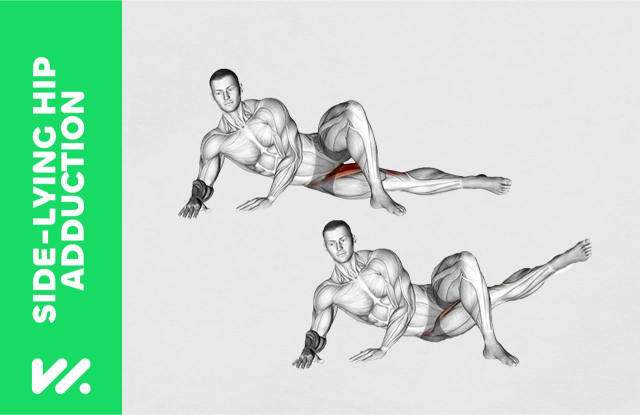
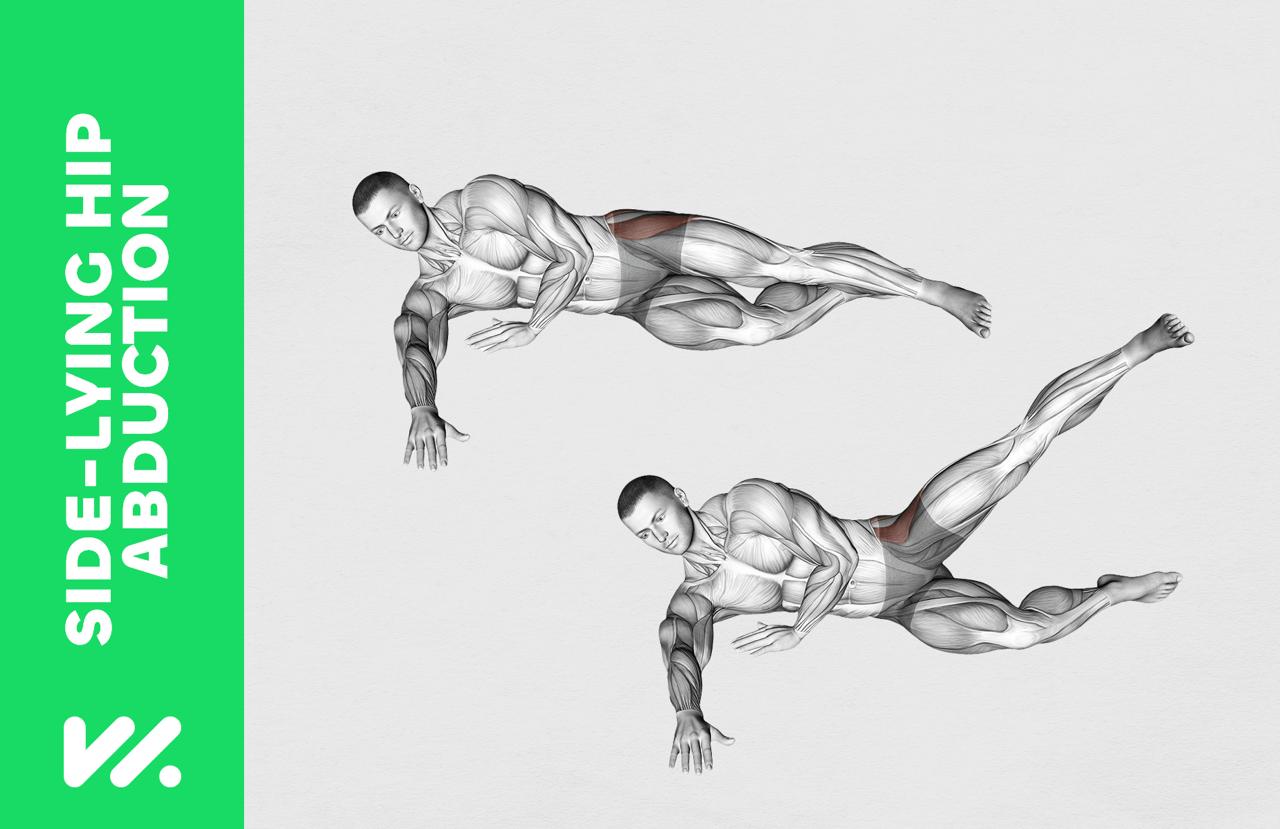
- Side-Lying Leg Lifts: Lift the bottom leg against gravity in a side-lying position.
- Resistance Band Adductions: Anchor a band to a post and pull legs inward while standing.
- Sumo Squats: Compound movement targeting adductors and quads with a wide stance.
Pair this exercise with the Hip Abduction Machine for balanced hip development or integrate it into Leg Day Workouts for comprehensive lower-body strength!