Exercise Profile
Target Muscle Group:
Primary: Hip Adductors (Adductor Longus, Adductor Brevis, Adductor Magnus, Gracilis, Pectineus)
Secondary: Inner Thighs, Hip Stabilizers
Exercise Type:
Strength Training / Hypertrophy
Isolation (Single-Joint Exercise)
Equipment Required:
Cable Machine (low pulley)
Ankle Strap Attachment
Mechanics:
Isolation (Single-Joint Exercise)
Force Type:
Pull (Concentric & Eccentric Phases)
Experience Level:
Beginner to Advanced
Best For:
Inner Thigh Strength, Hip Stability, Athletic Performance, Injury Prevention
Common Risks:
Groin or Hip Strain (from excessive weight or poor form), Loss of Balance, Lower Back Compensation
Overview
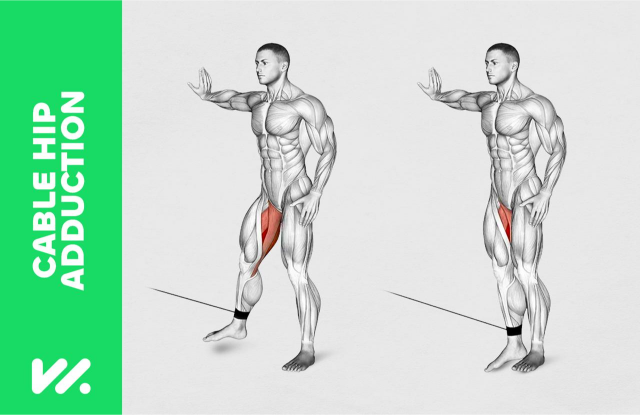
The Cable Hip Adduction is a focused isolation exercise that targets the muscles responsible for bringing your leg toward your body’s midline (adduction). Using a cable machine provides constant resistance, maximizing activation of the inner thigh muscles. This movement is essential for athletes, runners, and anyone looking to improve hip stability, prevent injuries, and develop strong, toned inner thighs. It also supports pelvic alignment and overall lower body function.
Exercise Instructions
Step-by-Step Form:
Setup:
- Attach an ankle strap to the low pulley of a cable machine.
- Secure the strap around your working ankle.
- Stand sideways to the machine, with the working leg farthest from the machine.
Starting Position:
- Stand tall, holding onto the machine or a stable object for balance.
- Cross your working leg in front of your planted leg, keeping your core braced and posture upright.
Adduction Phase:
- Exhale and pull your working leg across your body toward the midline, keeping your knee straight and toes pointing forward.
- Focus on squeezing your inner thigh muscles as your leg moves past your standing leg.
Peak Contraction:
- Pause at the end of the movement, feeling the contraction in your adductors.
Returning Phase:
- Inhale and slowly return your leg to the starting position, resisting the pull of the cable.
Repetitions:
- Perform 3–4 sets of 12–20 reps per leg, using a weight that allows you to maintain strict form.
Professional Tips
Maximize Results:
- Keep your torso upright and avoid leaning to the side or twisting.
- Move slowly and with control—avoid swinging your leg or using momentum.
- Squeeze your inner thigh at the peak of each rep for maximum activation.
Avoid Common Mistakes:
- Don’t use excessive weight, which can lead to poor form or groin strain.
- Avoid turning your toes outward; keep them facing forward to isolate the adductors.
- Don’t arch your lower back or compensate with your hips—maintain a stable core.
Progression:
- Gradually increase the weight as your adductor strength improves.
- Try holding the peak contraction for 2–3 seconds to increase time under tension.
Benefits of the Cable Hip Adduction
- Inner Thigh Strength: Directly targets the hip adductors for stronger, more toned inner thighs.
- Hip and Knee Stability: Supports healthy hip and knee alignment, reducing injury risk.
- Athletic Performance: Essential for lateral movement, change of direction, and overall lower body power.
- Pelvic Alignment: Strengthens muscles that stabilize the pelvis and support healthy movement patterns.
- Aesthetic Development: Adds shape and definition to the inner thighs.
Variations & Alternatives
- Standing Band Hip Adduction: Use a resistance band for home or travel workouts.
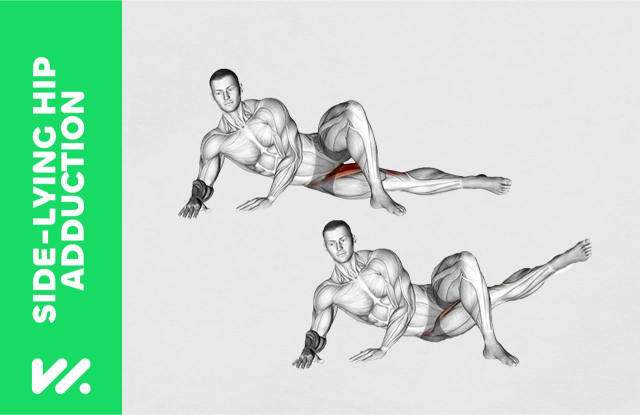
- Side-Lying Hip Adduction: Bodyweight alternative performed on the floor.
- Seated Machine Hip Adduction: Machine-based version for added stability and ease of use.
- Adductor Squeeze (Ball or Pad): Isometric hold for inner thigh activation.
Incorporate the Cable Hip Adduction
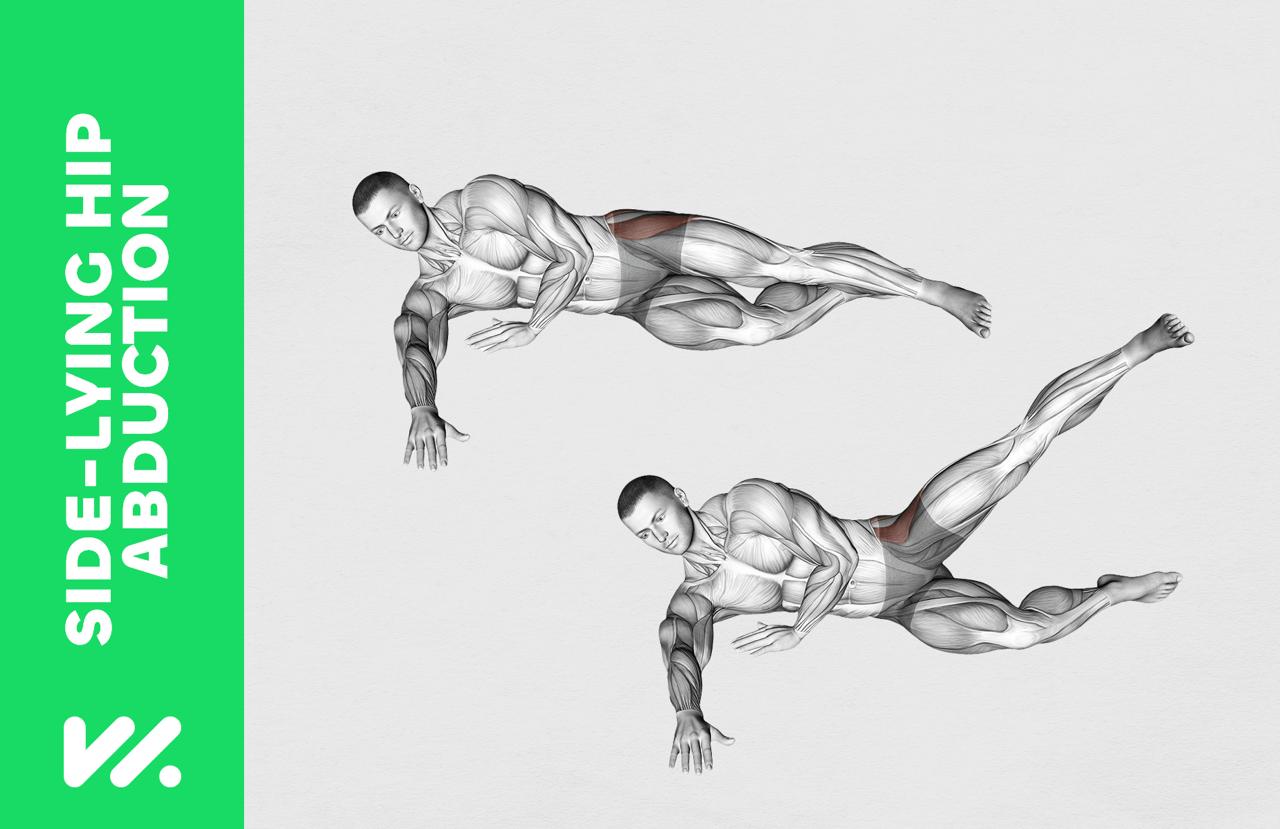
Add this exercise to your lower body, leg, or athletic training routines for balanced hip development and injury prevention. Pair with hip abduction, squats, and lunges for comprehensive lower body strength and stability.
“Cable hip adduction is a key movement for strengthening the inner thighs and supporting hip and knee health. It’s especially important for athletes and anyone looking to improve lower body function and prevent injuries.”
— National Academy of Sports Medicine (NASM)