The Dilemma Every Woman Faces
Picture this: it’s 6 AM. One woman laces up for a sunrise jog, heart pounding with purpose. Another heads into a quiet room, grabs her barbell, and begins a set of squats.
Both women are chasing wellness—but through different paths.
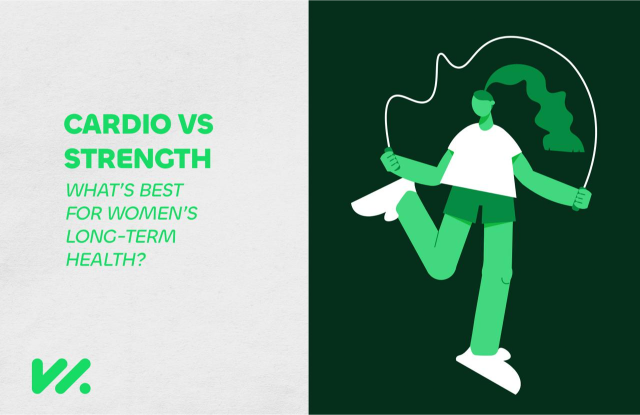
In a world flooded with fitness trends and conflicting advice, the question lingers: Should women prioritize cardio or strength training for long-term health? The answer isn’t as black and white as you might think.
Let’s dive into the science, stories, and strategy behind cardio vs strength for women, and how to unlock the power of both for long-term health benefits.
The Flow of Cardio: Heart, Mind & Motion
Cardio isn’t just about sweating—it’s about rhythm, breath, and flow. It’s the gentle surge of energy during a brisk walk, the pulse of a spinning class, or the calm after a swim.
Engaging in aerobic exercise benefits women in profound ways:
- Improves cardiovascular health
- Enhances insulin sensitivity
- Elevates mood and combats anxiety and depression
- Boosts cognitive clarity and memory
- Reduces risks of stroke, high blood pressure, and heart disease
The American Heart Association recommends at least 150 minutes of moderate-intensity cardio weekly, and for good reason: cardio health for women directly combats the #1 killer of women—heart disease.
But is cardio the only way to wellness? Not quite.
Strength Training: The Silent Superpower
Where cardio keeps your heart racing, strength training for women lays the foundation for longevity.
Muscles don’t just move your body—they protect it. Strong muscles mean strong bones, better balance, and increased metabolic efficiency.
Benefits of weightlifting for women include:
- Increased bone density (crucial for preventing osteoporosis)
- Elevated metabolism, even at rest
- Enhanced mobility and joint health
- Prevention of age-related muscle loss
- Boosted confidence and body awareness
Women who lift are often surprised—not by bulk, but by tone, agility, and energy. And unlike cardio, strength training can keep burning calories for hours after the workout ends.
It’s the long-game investment in your body’s resilience.
Real Women, Real Results: A Tale of Two Journeys
Let’s meet Marwa and Sara.
Marwa, a 35-year-old designer, begins every day with a 30-minute jog. She’s sharper at work, sleeps better, and her doctor praises her cholesterol levels.
Sara, a 40-year-old teacher, dedicates 3 days a week to lifting. Her back pain disappeared, her posture improved, and her energy outlasts her younger self.
Both women are thriving—but through different means.
Studies show:
- Regular cardio reduces stroke and heart attack risks by 30%+
- Consistent resistance training can reduce all-cause mortality by 46%
- Combining both cuts risk even further—a winning synergy of endurance and strength
So, which is better? The truth: Both matter. Together, they’re unstoppable.
Fitness Through the Ages: Tailored Wellness
In Your 20s & 30s: Building the Base
This stage is about maximizing potential. Mix HIIT, mobility work, and full-body lifts.
Strength training young women prevents early bone loss and sculpts lean muscle.
Cardio workouts improve VO₂ max and stress relief.
Pro Tip: Combine 2–3 days of lifting with 2 cardio sessions, including a low-intensity steady-state (LISS) or Zone 2 cardio.
Menopause & Perimenopause: Shifting Hormones
Hormonal changes can impact mood, fat distribution, and energy.
Strength work combats muscle loss and bone thinning, while cardio eases menopausal symptoms like hot flashes and fatigue.
Exercise during menopause is critical for emotional balance and metabolic control.
Structure Tip: Lift 2x/week, walk daily, and add yoga or light cycling to soothe inflammation.
Over 50: Longevity & Independence
At this age, movement = medicine.
Strength training over 50 women protects against falls, frailty, and brain decline.
A mix of light dumbbells, resistance bands, and balance drills is ideal.
Cardio remains crucial for heart and lung capacity.
Coach’s Wisdom: “Strong legs, strong life. Deadlifts and stair climbing are better than any pill.”
Strength + Cardio = The Ultimate Combo
Research shows that women who do both cardio and resistance training live longer and perform better—physically and cognitively.
In fact, combining:
- 2 strength sessions
- 2–3 cardio sessions (especially Zone 2 cardio)
…can lead to:
- 41% lower mortality
- Reduced risks of diabetes, Alzheimer’s, and frailty
This is what experts call balanced fitness for women—a plan that includes the best of both worlds.
Your Personalized Starter Blueprint
Here’s a 4-week hybrid fitness guide to build strength, endurance, and confidence:
| Week | Cardio Focus | Strength Focus | Total Sessions |
| 1 | 2 walks or cycling | 1 full-body workout | 3 |
| 2 | 2 jogs or classes | 2 resistance sessions | 4 |
| 3 | 1 Zone 2 + 1 HIIT | 2 strength + 1 yoga | 5 |
| 4 | 3 varied cardio | 2 progressive lifts | 5 |
Remember: Recovery is where the magic happens. Rest at least 1–2 days weekly.
Cardio & Strength Myths… Busted
“Will lifting make me bulky?”
Nope. Most women lack the testosterone for visible bulk. You’ll gain definition, not size.
“Is cardio enough for weight loss?”
Not entirely. Without strength training, lean muscle is lost, reducing metabolic rate.
“I’m too old to start lifting.”
Wrong. Studies show women over 60 gain significant strength and bone mass in just 8 weeks.
Final Thoughts: Write Your Own Wellness Story
Marwa now includes strength circuits after her jogs. Sara finishes her lifting days with a 20-minute Zone 2 bike ride. Both feel stronger, clearer, and more empowered than ever.
The lesson?
You don’t have to choose between cardio and strength.
You just have to choose your health, your pace, your rhythm. And do it consistently.
Because true health for women isn’t found in one workout—it’s built over time, through movement, mindset, and momentum.