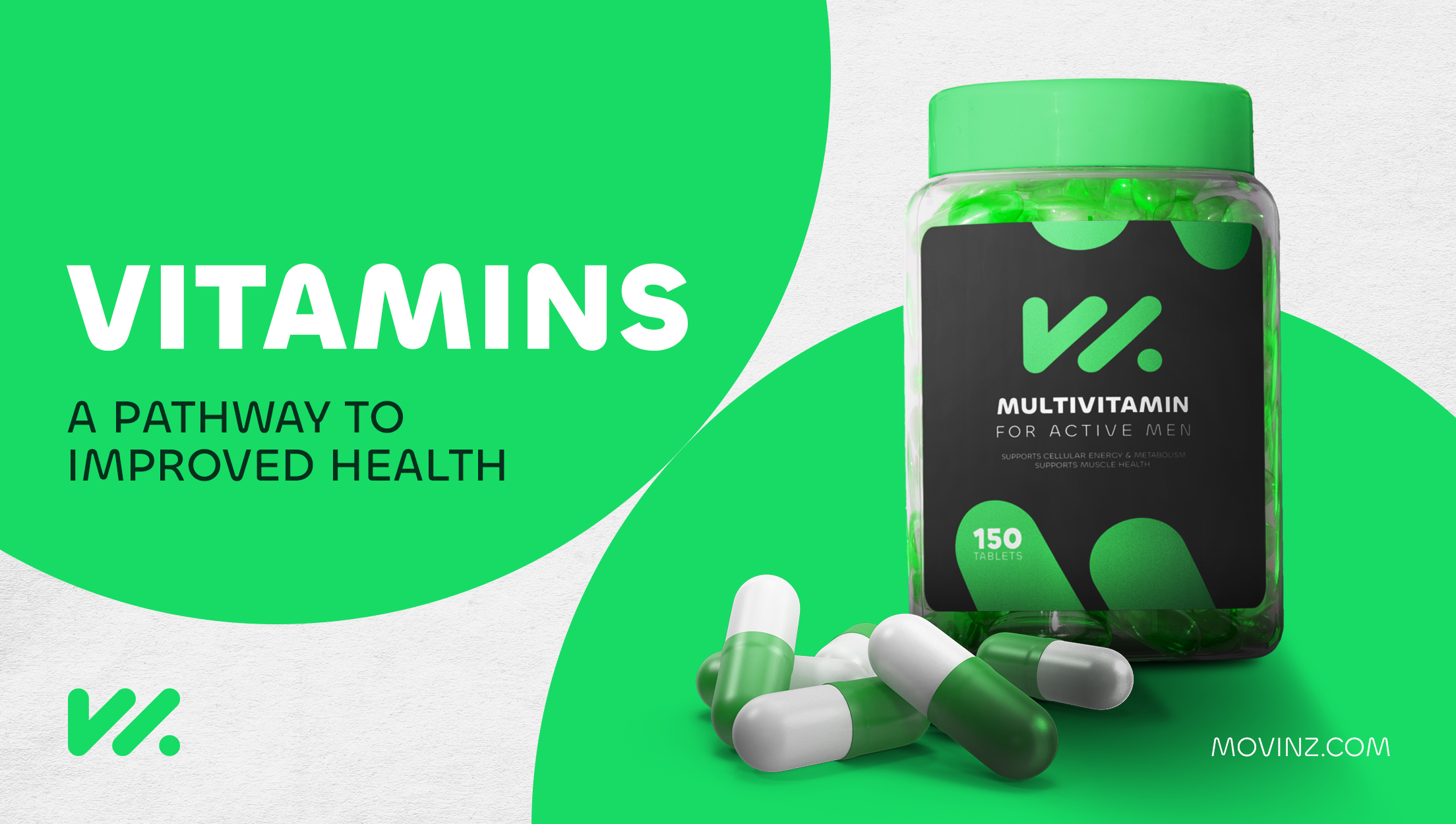
In a fast-paced world filled with processed foods, stress, and unhealthy habits, it’s crucial to take a step back and prioritize our health. In this article, we will explore the remarkable world of vitamins. Despite their small size, these vital nutrients play a powerful role in guiding our bodies toward health, balance, and vitality. With the right understanding, these tiny powerhouses can become your trusted allies in achieving better health.
What Are Vitamins?
To truly appreciate the role of vitamins, we must first understand what they are. Vitamins are organic compounds—micronutrients our bodies require but cannot produce in sufficient amounts. Think of them as catalysts that ignite the engine of our body.
These nutrients trigger essential physiological processes that are crucial for growth, development, and overall well-being. From vitamin A, known for its support of vision, to vitamin K, responsible for blood clotting, each of the 13 essential vitamins plays a distinct but complementary role. Each vitamin is like a unique instrument in an orchestra, working together harmoniously to create a symphony of health within our bodies. It’s important to remember that every vitamin is vital, and your body needs them in the right amounts for optimal performance.
Why Vitamins Are Vital for Our Health
Vitamins have a profound impact on our health, acting as catalysts for important bodily functions. Though required in small quantities, they are crucial for numerous processes that keep our bodies functioning properly. Vitamins help boost immunity, promote bone health, and serve as coenzymes in energy production.
The role of vitamins is vast and varied—think of them as the fuel that powers the machinery of your body. They support everything from cellular growth to maintaining healthy skin and hair, and even enhancing cognitive function. On the flip side, a vitamin deficiency can lead to fatigue, reduced immunity, and even more severe health issues. Recognizing the importance of vitamins highlights the necessity of a balanced diet rich in these nutrients, ensuring that your body remains in a state of vitality and health.
Different Types of Vitamins
Vitamins come in a range of types, each with its own function to help maintain our health. We can divide these into two categories: fat-soluble and water-soluble vitamins.
Fat-soluble vitamins (A, D, E, and K) are stored in our body’s fat tissues and liver, where they remain until needed. These vitamins don’t exit the body quickly, allowing us to draw from these reserves as required. Vitamin A supports vision and immune function, while vitamin D (the “sunshine vitamin”) is essential for calcium absorption, promoting bone health and immune system function. Vitamin E is a potent antioxidant that protects our cells from damage, while vitamin K plays a key role in blood clotting and bone health.
On the other hand, water-soluble vitamins (like vitamin C and the B vitamins) are constantly on the move. Unlike fat-soluble vitamins, they don’t stay in the body long, and any excess is eliminated through urine, so they need to be replenished regularly. The B vitamins (B1, B2, B3, B5, B6, B7, B9, B12) are involved in energy production, cellular function, and collagen formation. Vitamin C, well-known for its immune-boosting properties, also plays a crucial role in collagen production and tissue repair. Each of these vitamins performs essential functions, from strengthening immunity to enhancing overall vitality.
Recommended Dietary Allowances for Vitamins
The Recommended Dietary Allowance (RDA) serves as a helpful guide, suggesting how much of each vitamin is needed daily to maintain health and prevent deficiencies. However, these recommendations are not one-size-fits-all. Factors such as age, gender, and individual health conditions affect your unique needs. For example, an adult typically requires 600 international units (IU) of vitamin D daily, but this increases to 800 IU after the age of 70.
It’s important to view the RDA as a general guideline, not an absolute rule. Individual needs may vary, so it’s always a good idea to consult with a healthcare professional to tailor a vitamin plan specific to your lifestyle and health conditions. The RDA ensures you’re getting enough of each vitamin without exceeding safe levels, promoting balance and health.
Maximizing Vitamin Benefits
Navigating the world of vitamins doesn’t have to be overwhelming. By making smart food choices, you can ensure your body receives a wide range of essential nutrients. Include a colorful variety of fruits, vegetables, whole grains, and plant-based proteins in your daily diet.
Even with the healthiest of diets, certain nutrients may still be lacking. Supplements can help fill these gaps, but it’s important to consult with a healthcare provider before starting any supplementation. They can recommend the right supplements, monitor for potential interactions with medications, and ensure you don’t exceed the safe maximum intake of vitamins.
As we conclude, let’s appreciate the crucial role vitamins play in our health. They are your body’s allies, always working to keep you energetic and resilient.
Their significance is seen in how they energize you, protect your vision, strengthen your immunity, and keep your skin healthy. To fully benefit from vitamins, it’s essential to stick to the recommended doses—too much of a good thing can be harmful. With this knowledge, you’re now equipped to make informed decisions about using vitamins to enhance your health. Here’s to a more active, healthier, and confident you as you explore the world of vitamins!