Exercise Profile
Target Muscle Group:
Primary: Latissimus Dorsi (Lats), Middle Trapezius, Rhomboids
Secondary: Posterior Deltoids, Biceps, Forearms, Erector Spinae
Exercise Type:
Strength Training / Hypertrophy
Compound (Multi-Joint Exercise)
Equipment Required:
Seated Cable Row Machine (Low Pulley), V-Bar or Wide Grip Handle
Mechanics:
Compound (Multi-Joint)
Force Type:
Pull (Concentric & Eccentric Phases)
Experience Level:
Beginner to Advanced
Best For:
Back Thickness, Postural Strength, Balanced Upper Body Development
Common Risks:
Lower Back Strain (if rounding or leaning excessively), Shoulder Impingement (if pulling too far back), Using Excessive Weight
Overview
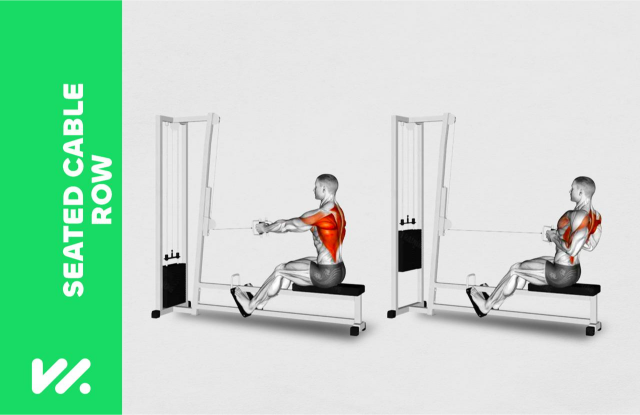
The Seated Cable Row is a classic compound exercise that targets the entire back, with an emphasis on the lats, middle traps, and rhomboids. By pulling a cable attachment toward your torso while seated, you engage multiple upper body muscles, making it an essential move for building back thickness, improving posture, and enhancing pulling strength. The cable machine provides constant tension, allowing for smooth, controlled reps and a great mind-muscle connection.
Exercise Instructions
Step-by-Step Form:
Setup:
- Sit on the bench with your feet flat on the foot platform, knees slightly bent.
- Grasp the handle (V-bar or wide grip) with both hands, arms fully extended, and sit upright with your chest up and shoulders back.
Starting Position:
- Brace your core and maintain a neutral spine.
- Lean forward slightly at the hips to stretch your lats, but do not round your lower back.
Pulling Phase:
- Exhale and pull the handle toward your lower abdomen, driving your elbows straight back and keeping them close to your sides.
- Squeeze your shoulder blades together at the end of the movement.
Peak Contraction:
- Pause briefly, focusing on contracting your back muscles.
Returning Phase:
- Inhale and slowly extend your arms, returning the handle to the starting position with control.
- Maintain tension in your back throughout the movement.
Repetitions:
- Perform 3–4 sets of 8–15 reps, adjusting weight and reps for strength or hypertrophy goals.
Professional Tips
Maximize Results:
- Focus on pulling with your back muscles, not just your arms—initiate the movement by retracting your shoulder blades.
- Keep your chest up and avoid leaning too far back; the movement should come from your arms and back, not your hips.
- Use a full range of motion for maximum muscle activation.
Avoid Common Mistakes:
- Don’t round your lower back—keep your spine neutral and core engaged.
- Avoid jerking or using momentum; control the weight throughout.
- Don’t let your shoulders shrug up toward your ears during the pull.
Progression:
- Gradually increase the weight as your strength improves, always prioritizing form.
- Try different handles (wide grip, single-arm, rope) to target various parts of the back.
Benefits of the Seated Cable Row
- Back Thickness and Strength: Builds muscle in the lats, rhomboids, and traps for a strong, well-developed back.
- Postural Improvement: Strengthens the muscles that support good posture and scapular stability.
- Balanced Upper Body: Complements pressing movements for a balanced physique and injury prevention.
- Versatile for All Levels: Adjustable resistance and handle options make it suitable for beginners and advanced athletes alike.
- Functional Strength: Improves pulling power for sports and daily activities.
Variations & Alternatives
- Wide-Grip Seated Row: Emphasizes upper back and rear delts.
- Single-Arm Cable Row: Unilateral work for correcting imbalances.
- Standing Cable Row: Adds core engagement and balance challenge.
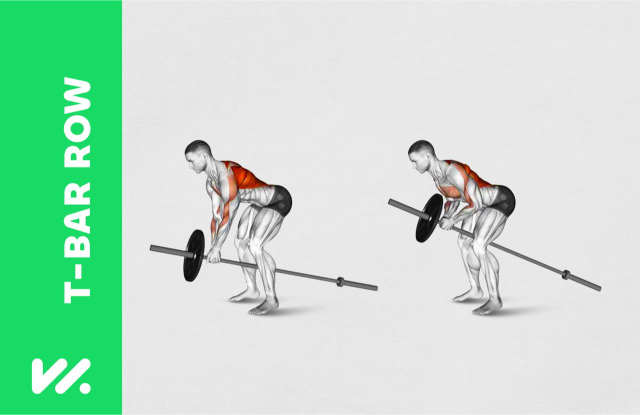
- Bent-Over Barbell Row: Free-weight alternative for similar muscle groups.
Incorporate the Seated Cable Row
Include this exercise in your back or full-body workouts to maximize back development and pulling strength. Pair with vertical pulls (like lat pulldowns) and other rows for complete back training.
“The seated cable row is a fundamental movement for building a strong, muscular back. It not only develops the lats and rhomboids, but also reinforces good posture and shoulder health when performed with proper form.”
— American Council on Exercise (ACE)