Exercise Profile
Target Muscle Group:
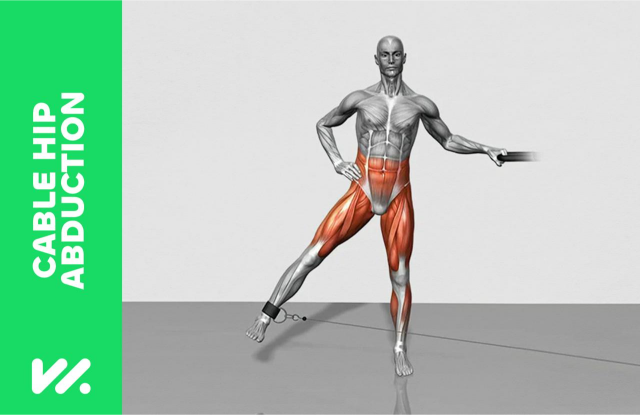
Primary: Gluteus Medius, Gluteus Minimus (Hip Abductors)
Secondary: Tensor Fasciae Latae (TFL), Gluteus Maximus (upper fibers), Hip Stabilizers
Exercise Type:
Strength Training / Hypertrophy
Isolation (Single-Joint Exercise)
Equipment Required:
Cable Machine (low pulley)
Ankle Strap Attachment
Mechanics:
Isolation (Single-Joint Exercise)
Force Type:
Pull (Concentric & Eccentric Phases)
Experience Level:
Beginner to Advanced
Best For:
Hip Strength, Glute Development, Lower Body Stability, Athletic Performance, Injury Prevention
Common Risks:
Hip or Knee Strain (if using excessive weight or poor form), Lower Back Compensation, Loss of Balance
Overview
The Cable Hip Abduction is an effective isolation exercise that targets the muscles responsible for moving your leg away from your body’s midline (abduction). By using a cable machine, you provide constant resistance through the entire range of motion, maximizing muscle activation in the gluteus medius and minimus. This exercise is essential for athletes, runners, and anyone seeking to build stronger, rounder hips, improve lower body stability, and prevent knee or hip injuries.
Exercise Instructions
Step-by-Step Form:
Setup:
- Attach an ankle strap to the low pulley of a cable machine.
- Secure the strap around your working ankle.
- Stand sideways to the machine, holding onto the machine or a stable object for balance.
Starting Position:
- Stand tall with feet hip-width apart, core braced, and working leg slightly in front of the stationary leg.
Abduction Phase:
- Exhale and lift your working leg out to the side (away from your body), keeping your knee straight and toes pointing forward or slightly down.
- Move slowly and focus on using your hip muscles, not momentum.
Peak Contraction:
- Pause at the top of the movement, squeezing your glutes and outer hip.
Returning Phase:
- Inhale and slowly lower your leg back to the starting position, resisting the pull of the cable.
Repetitions:
- Perform 3–4 sets of 12–20 reps per leg, using a weight that allows you to maintain strict form.
Professional Tips
Maximize Results:
- Keep your torso upright and avoid leaning away from the working leg.
- Focus on a slow, controlled movement—quality over quantity.
- Squeeze your glutes at the top for maximum activation.
Avoid Common Mistakes:
- Don’t swing your leg or use momentum—control both the lift and the return.
- Avoid turning your toes outward; keep them facing forward to target the hip abductors.
- Don’t arch your lower back or lean excessively—stay stable and tall.
Progression:
- Gradually increase the weight as your hip strength improves.
- Try holding the top position for 2–3 seconds to increase time under tension.
Benefits of the Cable Hip Abduction
- Glute and Hip Strength: Directly targets the gluteus medius and minimus for rounder, stronger hips.
- Lower Body Stability: Improves hip stability, reducing the risk of knee and hip injuries.
- Athletic Performance: Essential for running, jumping, lateral movement, and change-of-direction sports.
- Aesthetic Development: Adds shape and definition to the outer hips and glutes.
- Injury Prevention: Strengthens muscles that stabilize the pelvis and knees, protecting against common lower limb injuries.
Variations & Alternatives
- Standing Band Hip Abduction: Use a resistance band for home or travel workouts.
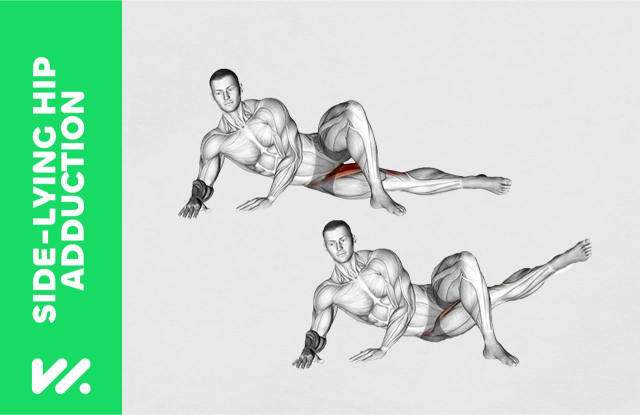
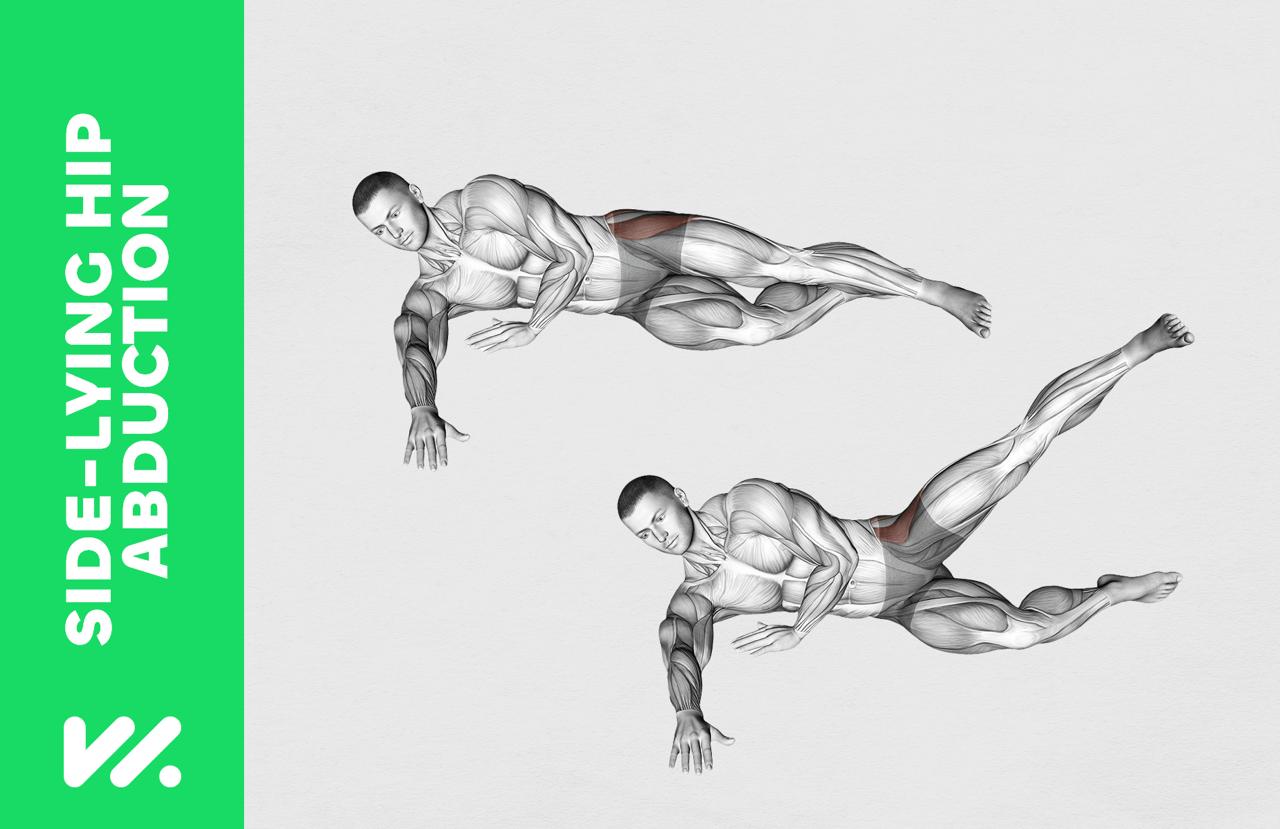
- Side-Lying Hip Abduction: Bodyweight alternative performed on the floor.
- Seated Machine Hip Abduction: Machine-based version for added stability.
- Cable Kickback: Targets the gluteus maximus for overall glute development.
Incorporate the Cable Hip Abduction
Add this exercise to your lower body, glute, or athletic training routines to maximize hip strength, stability, and aesthetics. Pair with squats, lunges, and hip thrusts for complete lower body development.
“Cable hip abductions are fundamental for building strong, stable hips and preventing injuries. They’re especially important for athletes and anyone looking to improve lower body function and appearance.”
— National Academy of Sports Medicine (NASM)