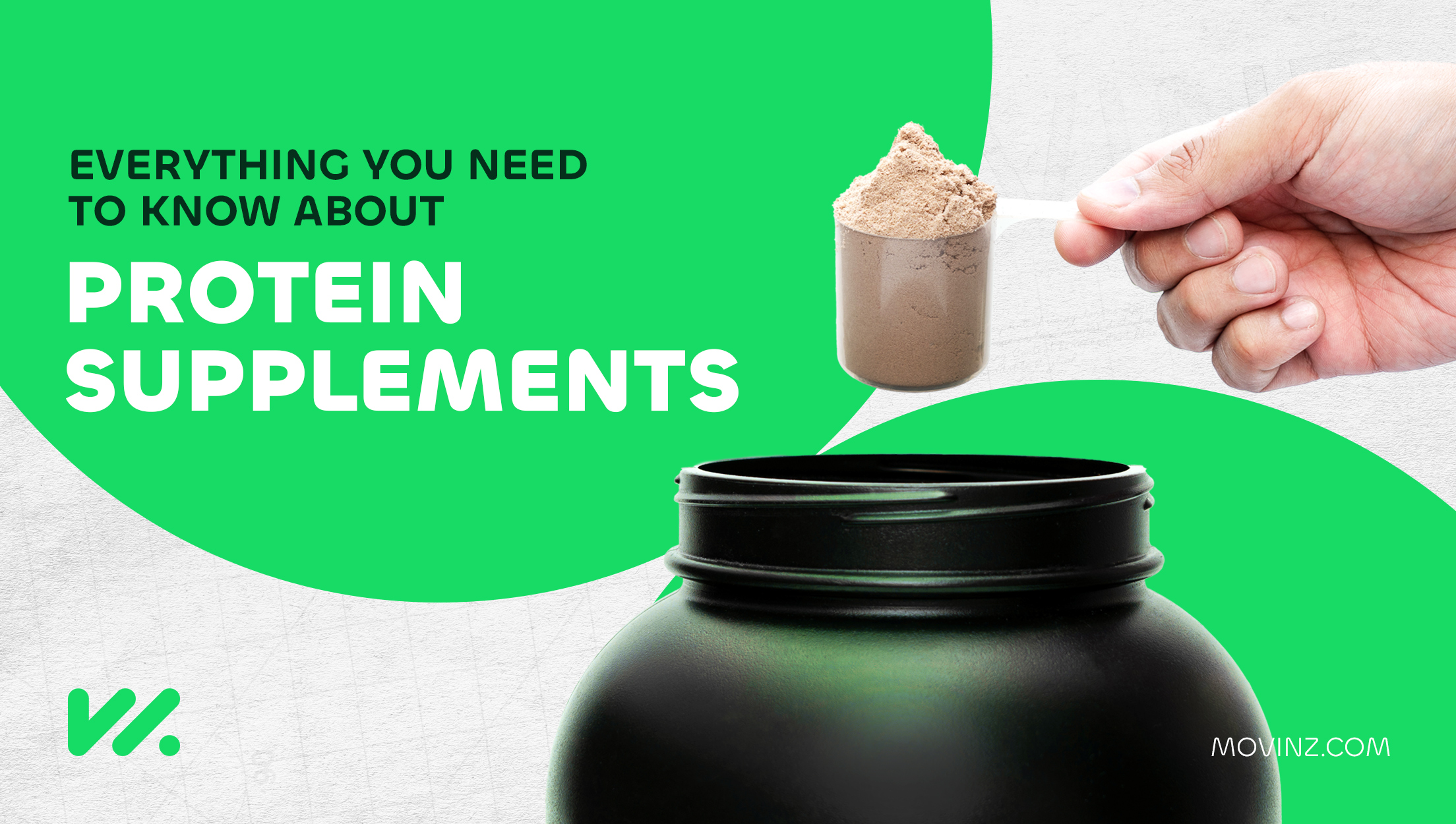
Protein is a vital nutrient that plays an essential role in muscle repair, growth, and supporting overall health. While we can obtain protein from various food sources, it may sometimes be challenging to meet our daily requirements. This is where protein supplements come in, designed to provide an additional protein boost to support your fitness goals and enhance your health. In this article, we’ll explore the different types of protein supplements, their significance, and the best ways to incorporate them into your diet.
Protein Supplement Basics
Protein supplements come in many forms, with high protein content derived from both animal and plant sources. These supplements can be found as powders, protein bars, ready-to-drink post-workout beverages, and more, offering convenient ways to meet your protein needs. They are especially useful for individuals who struggle to consume enough protein through food alone. Protein supplements act as an effective aid to help achieve fitness goals by making it easier to increase protein intake, particularly when it’s challenging to meet daily requirements through meals alone. For some, incorporating enough protein through diet can seem daunting; this is where supplements step in to help streamline the process.
Different Types of Protein Supplements
The world of protein supplements offers a broad selection, each with unique properties. Here are some of the most popular types:
- Whey Protein: Derived from dairy, whey protein is well-known for its quick digestion and absorption, making it an excellent choice for post-workout recovery when your body needs a fast source of protein.
- Casein Protein: Also from milk, casein is digested more slowly, making it ideal for consuming before periods of fasting, like overnight. It provides a steady supply of protein while you sleep.
- Soy Protein: A popular option for vegetarians, soy protein is made from defatted soy flour and offers a complete amino acid profile, making it a fantastic plant-based protein source.
In addition to these, there are other essential protein types, including pea protein (from yellow peas), hemp protein (from hemp seeds), rice protein (from brown rice), and egg white protein (from egg whites). Each has its unique benefits and caters to different dietary preferences.
When choosing a protein supplement, consider your personal needs. Whether you’re an athlete, prefer plant-based options, or need a slow-release protein for overnight muscle repair, there’s a protein supplement suited for you.
Why Protein Supplements Are Important for Your Diet
Protein supplements are not just for bodybuilders or elite athletes; they’re a valuable addition to anyone’s balanced diet. Proteins are the building blocks of the body, essential for tissue growth, repair, and regeneration. They are also crucial for hormone production, immune function, and maintaining a healthy body. By ensuring your body receives adequate protein, you are supporting its ability to grow stronger and function optimally.
Protein supplements do more than help with muscle growth and recovery—they promote overall health, vitality, and well-being. Whether you’re an athlete or simply looking to maintain a healthy lifestyle, protein supplements can be your nutritional ally, filling in the gaps that sometimes arise in our daily diets. Just remember, supplements should complement a well-rounded diet, not replace it. Balance is key.
Ideal Ways to Use Protein Supplements
Protein supplements are versatile and can be consumed in many forms. The most common method is mixing protein powder into shakes or smoothies, typically consumed post-workout for a quick protein boost. You can mix protein powder with water, milk, or get creative by adding fruits, oats, or yogurt for added nutrition. But the possibilities don’t end there. Protein can be incorporated into various meals and snacks, such as protein pancakes for breakfast or protein balls for an afternoon snack. You can even add protein powder to soups or sauces.
The best way to use protein supplements depends on your goals, dietary preferences, and timing. For example:
- Whey protein is perfect for post-workout consumption due to its rapid digestion and ability to enhance muscle protein synthesis.
- Casein protein is best taken before fasting periods (like overnight) to provide a slow, steady release of protein for muscle maintenance during long periods without food.
- Egg white protein is suitable for those with lactose intolerance and can be consumed after a workout or as part of a meal to boost overall protein intake.
- Plant-based protein is ideal for those following vegetarian or vegan diets and can be used after a workout or throughout the day.
Understanding the different types of protein and how they fit into your lifestyle will help you maximize their benefits.
Safety and Side Effects of Protein Supplements
Protein supplements are generally safe for most people when used correctly. However, some individuals may experience side effects, such as gastrointestinal discomfort or bloating, especially if taken in excessive amounts. It’s important to note that everyone’s body and goals are different, so what works for one person might not work for another. Pay attention to how your body responds and make adjustments if necessary. Reducing the dosage or switching to a different type of protein can often resolve side effects.
Before starting a new fitness regimen or increasing your protein intake, always prioritize your health. Listen to your body and make informed decisions about the protein supplements you incorporate into your diet.
How to Choose the Right Protein Supplement
With so many options available, choosing the right protein supplement can feel overwhelming. However, the key is understanding your specific needs and goals:
- Consider your dietary restrictions: If you’re lactose intolerant or following a vegan diet, avoid whey or casein protein. Instead, explore plant-based options like soy or pea protein.
- Identify your fitness goals: For muscle recovery, a fast-digesting protein like whey is ideal. If you’re looking to support muscle maintenance overnight, casein is your best choice.
- Consider taste preferences: Protein supplements come in a variety of flavors—chocolate, vanilla, strawberry, and more. Choose one that you enjoy!
Ultimately, finding the right protein supplement is about finding what fits seamlessly into your lifestyle, nutritional needs, and fitness objectives. With a little research and experimentation, you’ll discover the perfect protein supplement for you!