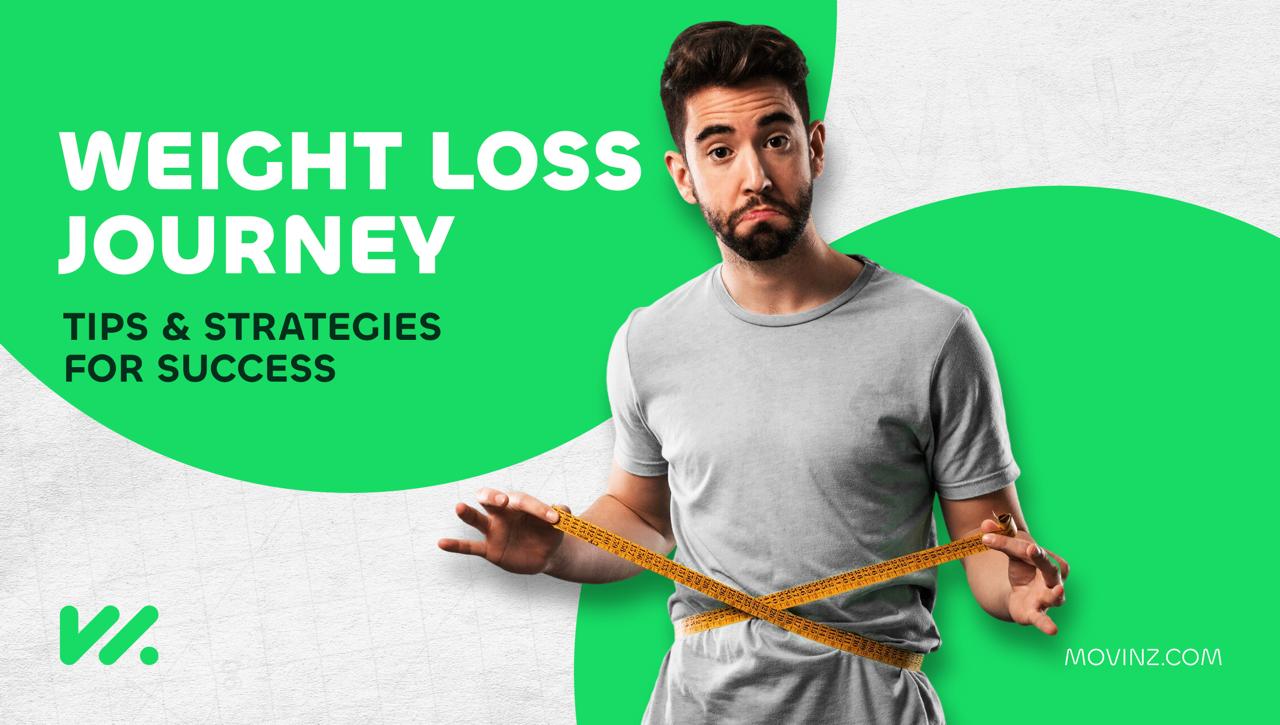
Are you looking to lose a few extra pounds? Starting a weight loss journey can often feel challenging, but with the right approach, it’s entirely achievable. In this article, we’ll explore key tips and strategies to help you make your journey more manageable and successful.
Understanding the Science of Weight Loss
Understanding the science behind weight loss can be a fascinating experience. It’s not as simple as just eating less and exercising more—it’s about creating a calorie deficit by burning more calories than you consume. However, the human body is far more complex than a straightforward equation. Metabolism varies from person to person and is influenced by factors such as body composition, age, gender, genetics, and activity levels. These factors all play a role in how quickly your body burns fat, affecting your weight loss progress. By recognizing these individual differences, you can set realistic goals and create a weight loss plan that aligns with your body’s unique needs. Before starting any new diet or workout routine, consider consulting with a nutritionist to gain insights into your body’s specific weight loss requirements. The more informed you are, the better equipped you’ll be to make lasting changes.
The Power of Good Nutrition
A healthy diet is a game-changer when it comes to weight loss. The key is not starving yourself, but making smarter food choices. Start by incorporating more fruits, vegetables, lean proteins, and whole grains into your meals. These nutrient-rich foods will keep you feeling full while providing essential vitamins and minerals, helping you avoid overeating. On the other hand, try to cut back on processed foods and sugary drinks, which can quickly lead to unwanted weight gain. Remember, it’s not just about what you eat, but also when and how you eat. Eating regular meals, practicing portion control, and maintaining healthy eating habits are crucial to your weight loss success. Pairing a balanced diet with weight loss supplements can help accelerate your progress by providing your body with the nutrients it needs for maximum results.
The Role of Regular Exercise
Weight loss is not just about reducing your calorie intake—it’s about adopting a holistic approach that includes both diet and exercise. Regular physical activity is key to burning calories and boosting metabolism, as well as improving cardiovascular health, mood, and overall energy levels.
Keep in mind that there’s no one-size-fits-all approach to exercise. The best workout routine is one that fits your personal preferences and fitness level. Whether you enjoy a brisk walk, cycling, swimming, or more intense workouts, the options are endless. The most important thing is to find an activity that you enjoy, as this increases your chances of sticking with it long-term. Consistency is crucial—aim to get at least 30 minutes of physical activity each day. If this isn’t possible all at once, try breaking it up into shorter sessions throughout the day. By combining exercise with a healthy diet and carefully chosen supplements, such as appetite suppressants or fat burners, you create a powerful formula for sustained weight loss. Additionally, protein supplements can help preserve lean muscle mass, a vital factor in maintaining a healthy metabolism. A balanced combination of movement, nutrition, and supplements not only promotes weight loss but also supports long-term health.
The Power of Consistency in Reaching Your Goals
Consistency is the secret to success in weight loss. It’s the consistent effort that turns healthy habits into lasting results. Think of your weight loss journey as building a strong foundation—every healthy meal and every workout you complete is a building block. Over time, these small, steady efforts add up to big changes.
Maintaining consistency with your diet and exercise can be challenging. There will be moments when temptation is strong, when skipping a workout feels easier, or when unhealthy foods call to you. But every time you stick to your healthy choices, you’re one step closer to your goal.
Consistency acts as your guide, helping you stay on track even when you feel discouraged. It reminds you why you started and keeps you focused on your end goal. To stay consistent, create a routine that suits your lifestyle. Plan your meals and workouts in advance to reduce decision fatigue and keep you on track. Use tracking tools to monitor your progress and stay motivated. Remember, consistency doesn’t mean perfection—it’s about getting back on track after a setback. In the long run, consistency is what transforms your new habits into a sustainable lifestyle.
The Role of Mental Health in Weight Loss
Mental health plays a crucial but often overlooked role in the weight loss process. Your mindset and emotional state can significantly impact your eating habits and exercise routine. Stress, anxiety, and other emotional challenges can lead to unhealthy eating or a lack of motivation for physical activity. To succeed in your weight loss journey, it’s vital to prioritize your mental and emotional well-being.
Practices like yoga, meditation, and mindfulness can help reduce stress and foster a positive relationship with food and exercise. Engaging in relaxing hobbies or activities can also help manage stress and promote mental well-being. Additionally, having a strong support system is invaluable. Don’t hesitate to lean on friends, family, or a weight loss group for encouragement. They can offer advice, share experiences, and keep you motivated during tough times. Your mental health is not a weakness; it’s an essential component of your overall health and weight loss success. So, make it a priority and nurture it along the way.